



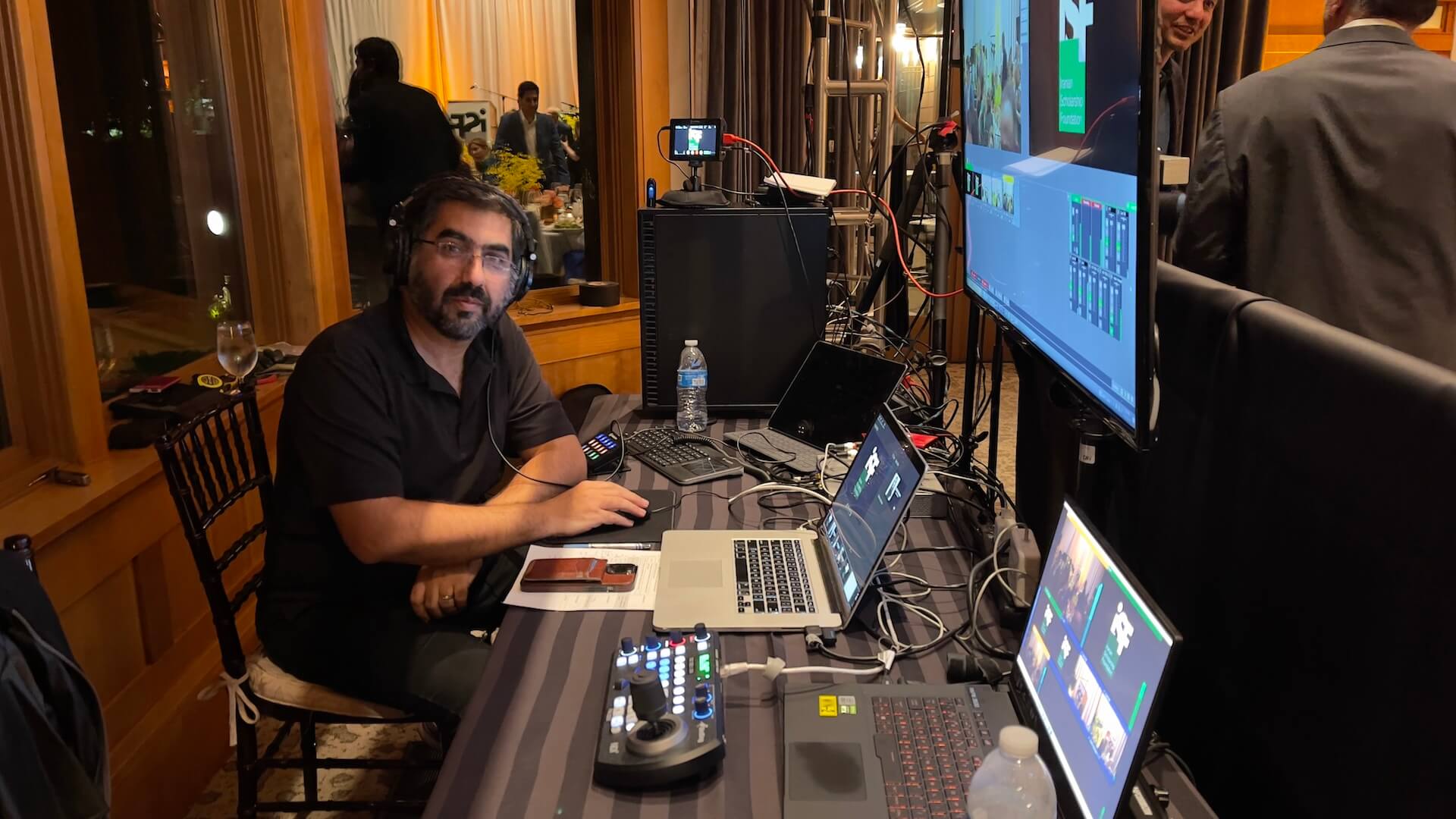
What Does a Technical Director Do?
When a keynote starts 30 seconds late because the presenter laptop is on the wrong input, the audience sees a hiccup. The production team sees a control problem. That gap is exactly where technical direction lives. If you’re asking what does a technical director do, the short answer is this: they turn a complex event system into a show that runs on time, on cue, and without visible failures.
For corporate events, that job is not just calling shots. A technical director, or TD, sits at the center of video, playback, graphics, camera feeds, show cues, room timing, and contingency planning. On a high-stakes general session, product launch, or hybrid event, the TD is often the person making sure every technical department is moving in sync.
What does a technical director do in live event production?
A technical director is responsible for the execution layer of the show. They take the show plan and make it operational. That usually means translating run-of-show documents, presenter needs, content requirements, and venue limitations into a working system that the crew can actually deliver live.
In practical terms, the TD often manages switching logic, cue timing, graphics coordination, screen outputs, confidence monitoring, playback flow, and communication between departments. Depending on the scale of the event, they may also oversee signal flow design, backup routing, equipment assignments, and operator roles.
The exact scope depends on the production. On a smaller meeting, the technical director may also operate the switcher. On a larger corporate show, they may lead the control room while separate operators handle video playback, graphics, shading, audio, livestream encoding, and screen management. The title stays the same, but the level of specialization changes.For broader industry standards and role definitions, organizations like AVIXA provide useful guidance on professional AV roles and production practices.
The technical director’s real job: control under pressure
A lot of people assume the TD is just the person pushing buttons at showtime. That misses the hard part. The real value of a technical director is decision-making under live conditions.
When a speaker skips three slides ahead, the TD keeps playback, graphics, and camera framing aligned. When a remote guest joins late, the TD adjusts the sequence without throwing off the room. When an LED wall processor needs a fast input handoff, the TD makes that transition cleanly enough that the audience never thinks about it.
This is why experienced technical direction matters more as the show gets more complex. A polished corporate production is not built on a single piece of gear. It is built on timing, signal discipline, clear comms, and a crew that knows who is making the call.
What a technical director handles before show day
Most of the work that makes a show feel effortless happens before anyone walks on stage. A capable TD is involved early enough to catch problems while they are still inexpensive to fix.
That can include reviewing room layouts, screen destinations, camera positions, switcher requirements, playback workflows, presentation formats, livestream paths, and redundancy plans. If the event includes Barco E2 or E3 image processing systems, multi-screen general session outputs, or a combination of in-room presentation plus broadcast-style streaming, the TD helps define how those systems interact.
They also pressure-test the run of show. Where are the risky transitions? Which presenters need extra confidence support? Are there walk-ins, embedded videos, panel mics, remote callers, or live demos that require special cueing? A good TD identifies those points early and builds around them.
This planning role is one reason technical direction is different from basic AV operation. An operator can run assigned equipment. A TD is looking at the entire technical chain and asking what could fail, what needs backup, and how the team will recover if it does.
The difference between a technical director and a show caller
These roles overlap, but they are not always the same.
A show caller usually leads verbal cueing. They call entrances, videos, lighting looks, and timing beats based on the script and stage action. A technical director is more focused on the technical execution behind those cues – what source is live, what screen is showing what, whether graphics are ready, whether cameras are framed, whether remote feeds are clean, and whether the switch path is correct.
On some events, one person does both jobs. On others, especially larger conferences and keynotes, the roles are split because each one requires full attention. If the show has multiple screens, layered content, camera IMAG, livestream outputs, and executive presenters, separating show calling from technical direction can reduce mistakes.
That trade-off matters for buyers. Consolidating roles can save budget on a simple meeting. On a mission-critical production, role compression can create risk.
What does a technical director do during the live show?
During the event, the TD becomes the operational hub. They track the current cue, the next cue, and the failure points around both.
That means confirming playback readiness, checking graphic states, validating switcher sources, watching confidence monitors, monitoring screen outputs, and keeping close communication with stage management, A1 audio, playback, camera, and streaming teams. If the event is being recorded or broadcast, the TD also has to think beyond the room. A cue that works for the ballroom does not always work for the webcast.
This is where experience shows. Live corporate production has a way of creating small technical conflicts that need immediate judgment. A presenter wants to annotate on screen, but the current routing is built for full-screen video. A panel starts early while lower thirds are still being updated. A laptop resolution changes after sleep mode. The TD is the person who resolves those issues fast enough to keep the audience focused on content instead of production.
Where technical directors matter most
Not every event needs a heavily involved technical director. But certain formats benefit from one immediately.
General sessions with multiple display destinations are a prime example. Once you have center screens, side screens, confidence monitors, LED canvases, overflow rooms, recording feeds, and a livestream, someone has to control signal intent across all of them. The same goes for executive keynotes, product launches, multi-camera panels, investor events, and hybrid programs with live and remote contributors.
These are the environments where technical direction protects the event from avoidable mistakes. It is also where a strong TD helps the rest of the crew work better, because decisions are centralized and communication stays clean.
The systems a technical director usually touches
The TD is not always the hands-on operator for every system, but they typically have working command over the main production infrastructure. That includes video switchers, image processors, playback systems, graphics workflows, multiview monitoring, camera shading coordination, confidence systems, livestream paths, and intercom.
In higher-end corporate production, they also need to understand how room presentation, broadcast capture, and screen processing affect each other. A change made for the stage can create a problem on the stream. A graphics layer that looks right on the LED wall may not be ideal for the recorded output. The TD keeps those priorities aligned.
That cross-system awareness is what separates technical direction from single-discipline operation. It is less about owning one device and more about controlling the whole technical picture.
What to look for when hiring a technical director
If you’re staffing a corporate event, look for someone who has real show experience, not just equipment familiarity. Plenty of people know how to operate a switcher. Fewer know how to manage a room full of executives, agency stakeholders, content revisions, compressed rehearsals, and live broadcast expectations at the same time.
Ask how they approach redundancy, presenter changes, hybrid workflows, and multi-screen routing. Ask what happens when the show stops matching the script. Ask whether they have worked with the level of production you are planning, not just whether they have seen the gear before.
For Bay Area conferences and tech events, that distinction matters. High-density cueing, last-minute content changes, and complex screen systems are common. A technical director who has worked those rooms will plan differently from someone who is only thinking about basic playback and projection.
At AV Land, this is exactly why on-site technical direction is treated as a production function, not an add-on. The point is not to put another headset in the room. The point is to give the show a clear technical lead who can keep execution tight when timing, content, and live conditions start moving fast.
The best technical directors are rarely the most visible people on site. They are the reason the screens switch when they should, the stream stays clean, the room stays on schedule, and the client team never has to think about the signal path. If your event has real complexity, that kind of control is not overhead. It is protection.